
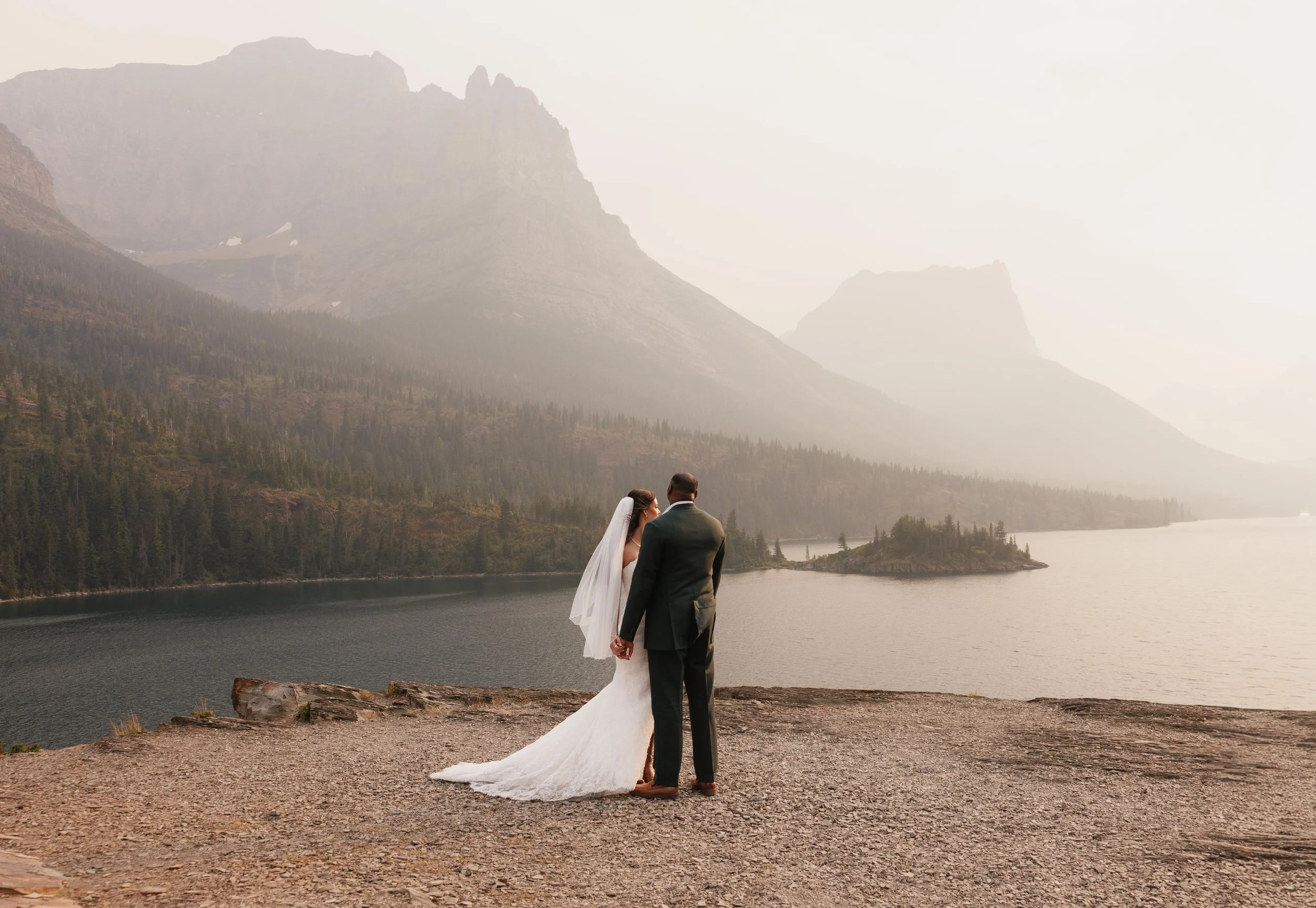
There's something special about getting married somewhere that feels like you. Maybe that's on a mountainside overlooking the Rockies, beside an alpine lake, or somewhere tucked away in the wilderness with only your closest people around.
Whatever that looks like, eloping gives you the freedom to create a wedding experience that feels personal rather than following a set of traditions or expectations.
But if you've never planned an elopement before, figuring out where to start can feel a little overwhelming. Where should you get married? When is the best time? Who should you bring along? And how do you turn an idea into an actual day?
As a Montana-based wedding and elopement photographer and videographer, I've spent years documenting couples throughout some of the most beautiful places in the state. Along the way, I've learned a thing or two about what makes these experiences special and how to help couples bring their ideas to life.
If you're thinking about eloping in Montana, here are a few things I'd recommend considering as you get started.
1. Start by Finding Your Location
Before worrying about timelines, vendors, or all the little details, start thinking about where you'd actually like to get married.
Montana has no shortage of incredible places. From the rugged peaks and turquoise lakes of Glacier National Park to the open landscapes of Southwest Montana, there are so many different environments to choose from.
But here's something I always tell couples: don't feel like you have to choose a traditional wedding venue.
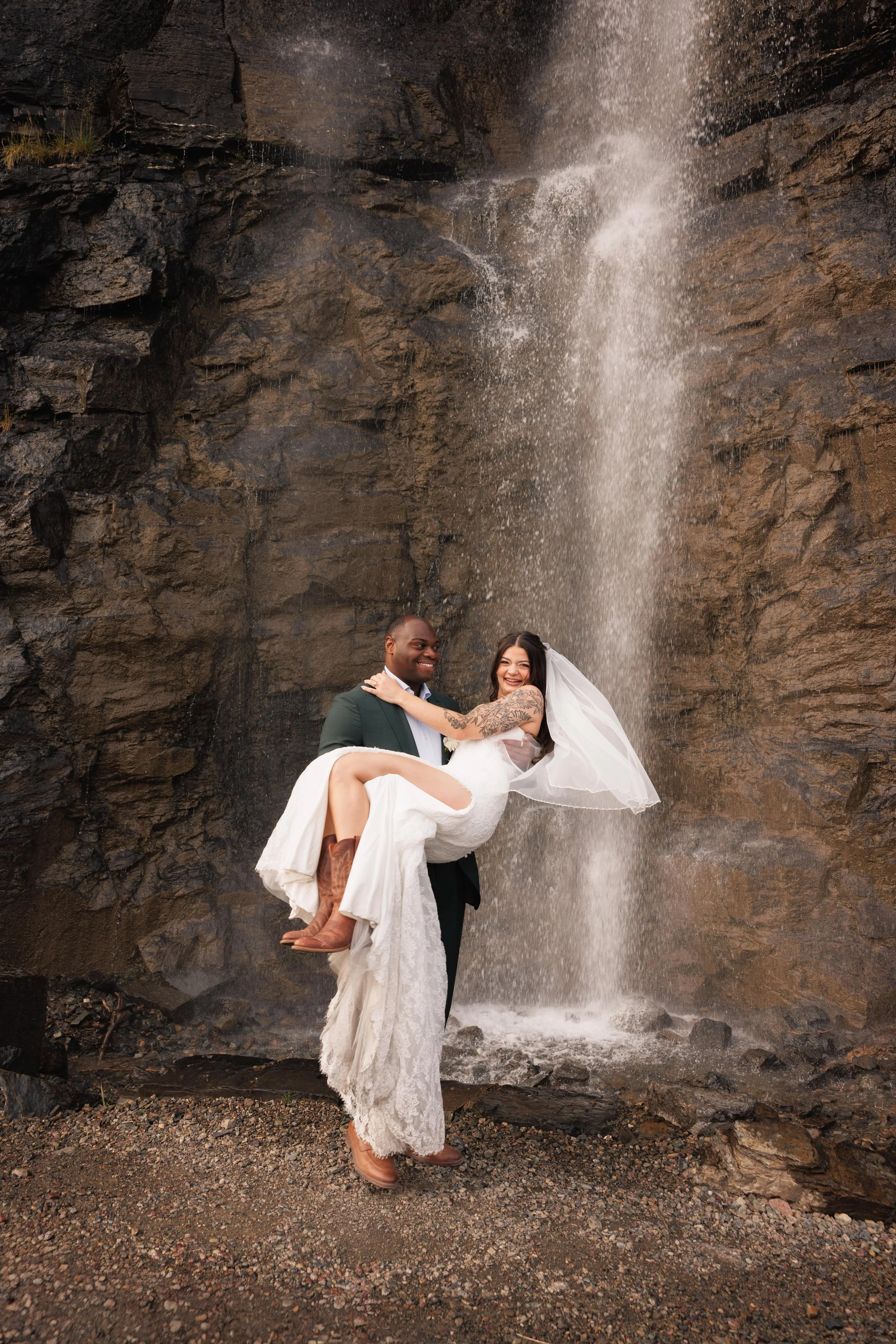
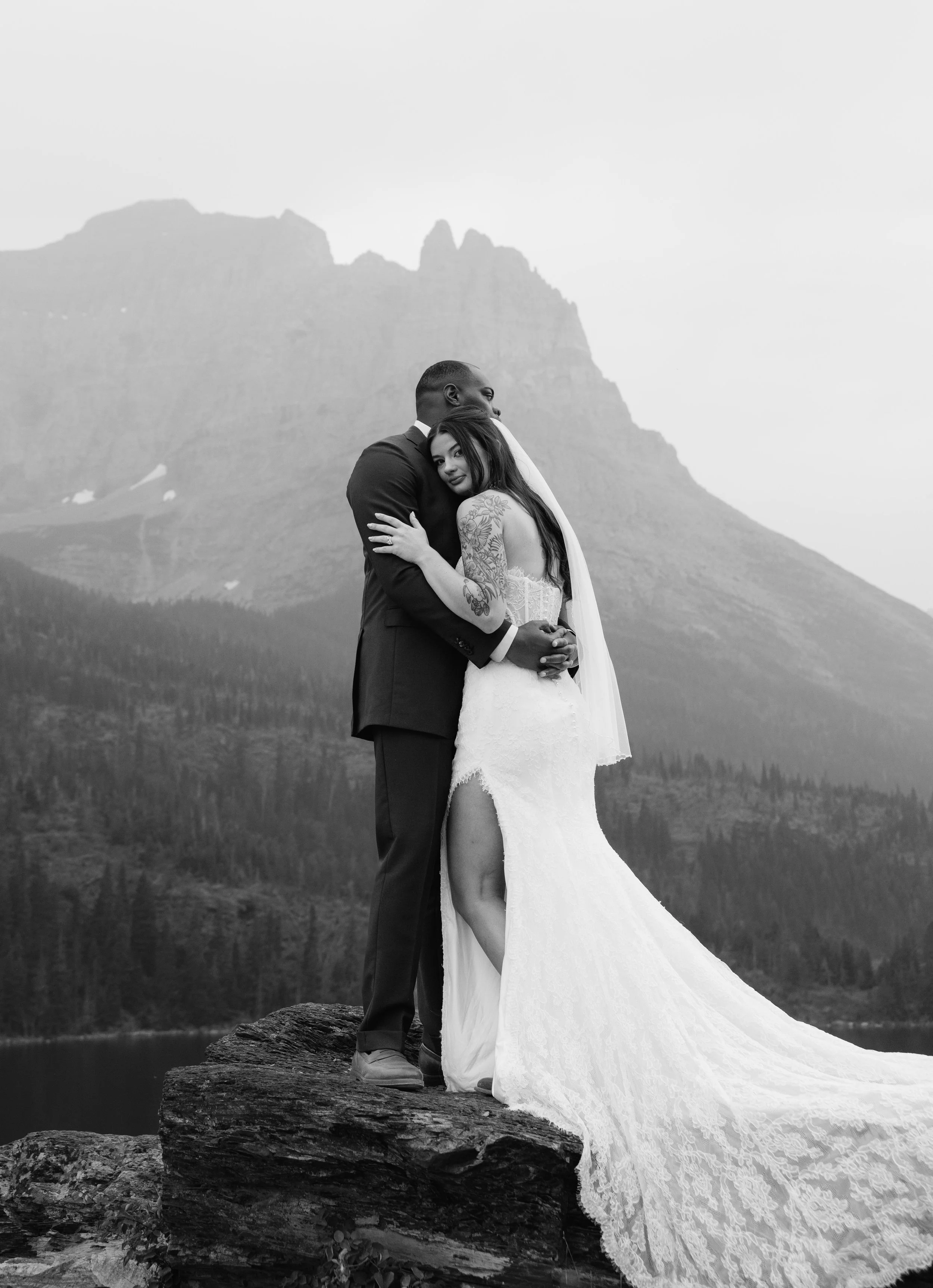
If you want to exchange vows on a mountainside, let's find a mountainside. If you want to get married in the middle of a lake, why not rent a canoe? Your location can be anything that feels meaningful to the two of you.
Some places worth considering include:
Glacier National Park: Dramatic mountain scenery, alpine lakes, and some of Montana's most recognizable landscapes.
Flathead Lake: Beautiful lakeside settings, mountain views, and opportunities for a more relaxed waterfront experience.
The Bitterroot Valley: A combination of mountain backdrops, forests, rivers, and wide-open landscapes.
Southwest Montana: Incredible mountain scenery, quieter locations, and plenty of opportunities to get away from the crowds.
The Seeley-Swan Valley: Forests, lakes, and mountain views that make for a beautiful outdoor setting.
One thing to keep in mind is that not every beautiful location is suitable for a wedding ceremony. Some public lands and parks have specific rules, permit requirements, group-size restrictions, or designated ceremony locations. It's always worth researching those details before settling on a spot.
And don't be afraid to think outside the box. Sometimes the most memorable locations aren't the ones everyone else is getting married at.
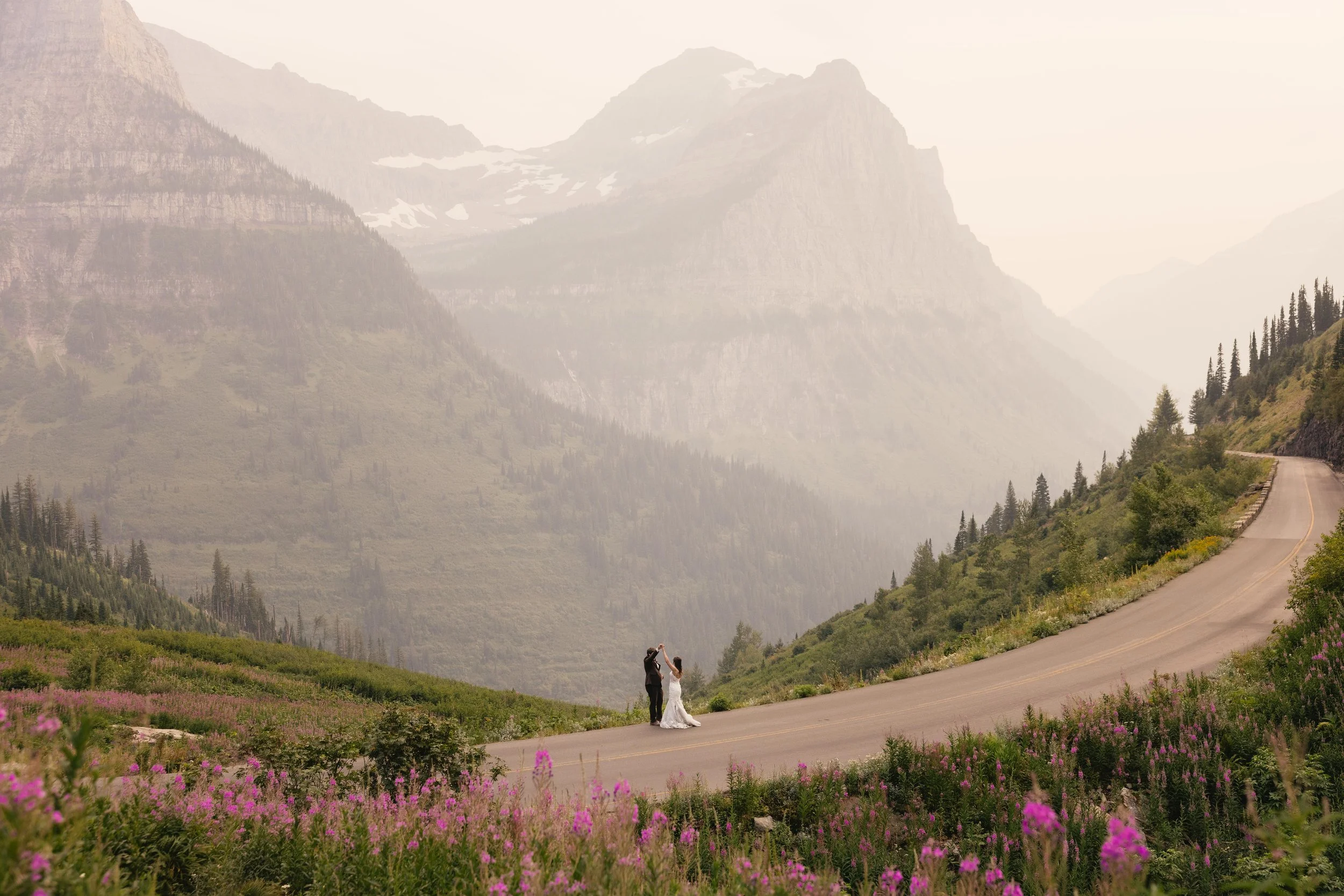
Going the Sun Road in Glacier National Park is an incredible elopement day route.
2. Consider Getting Married on a Weekday
If there's one piece of advice I consistently give couples planning a Montana elopement, it's to consider a weekday.
Especially if you're thinking about getting married somewhere like Glacier National Park.
Popular destinations can get incredibly busy during the summer months. Parking areas fill up, trails become crowded, and finding a quiet moment together can be more challenging than you might expect.
Choosing a Tuesday, Wednesday, or Thursday can make a significant difference.
It doesn't mean you'll have the entire place to yourselves, but you'll generally be competing with fewer visitors than you would on a Saturday.
Weekdays can also give us more flexibility when planning your timeline and choosing locations. Instead of working around the busiest periods, we can focus on finding the best opportunities for scenery, lighting, and a more relaxed experience.
Of course, timing still matters. Summer weekends, holiday periods, and popular locations can remain busy throughout the week.
The goal isn't necessarily to find a completely empty location. It's to give yourselves more room to enjoy the experience without feeling like you're constantly navigating around other people.
3. Find a Photographer and Videographer You Connect With
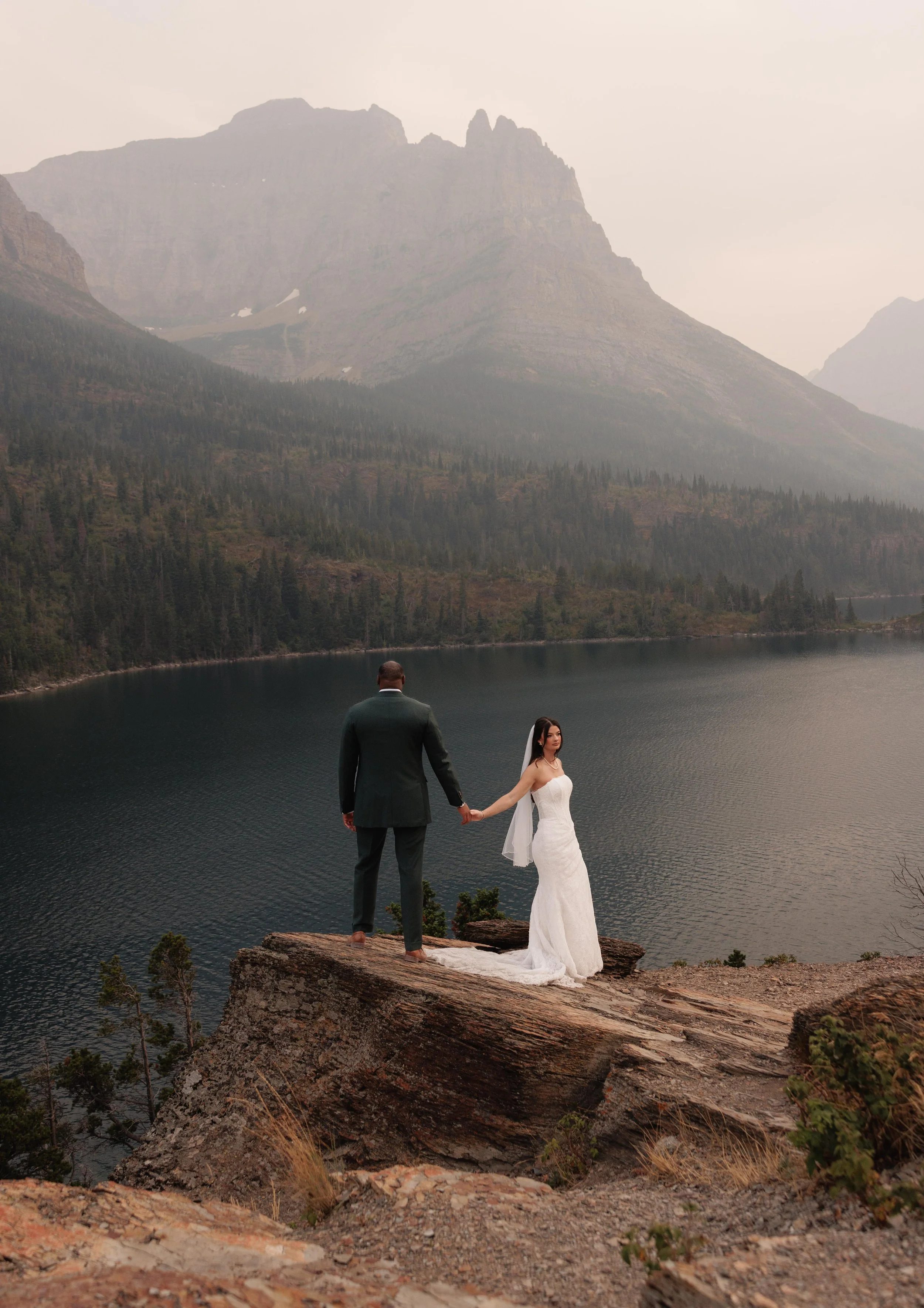
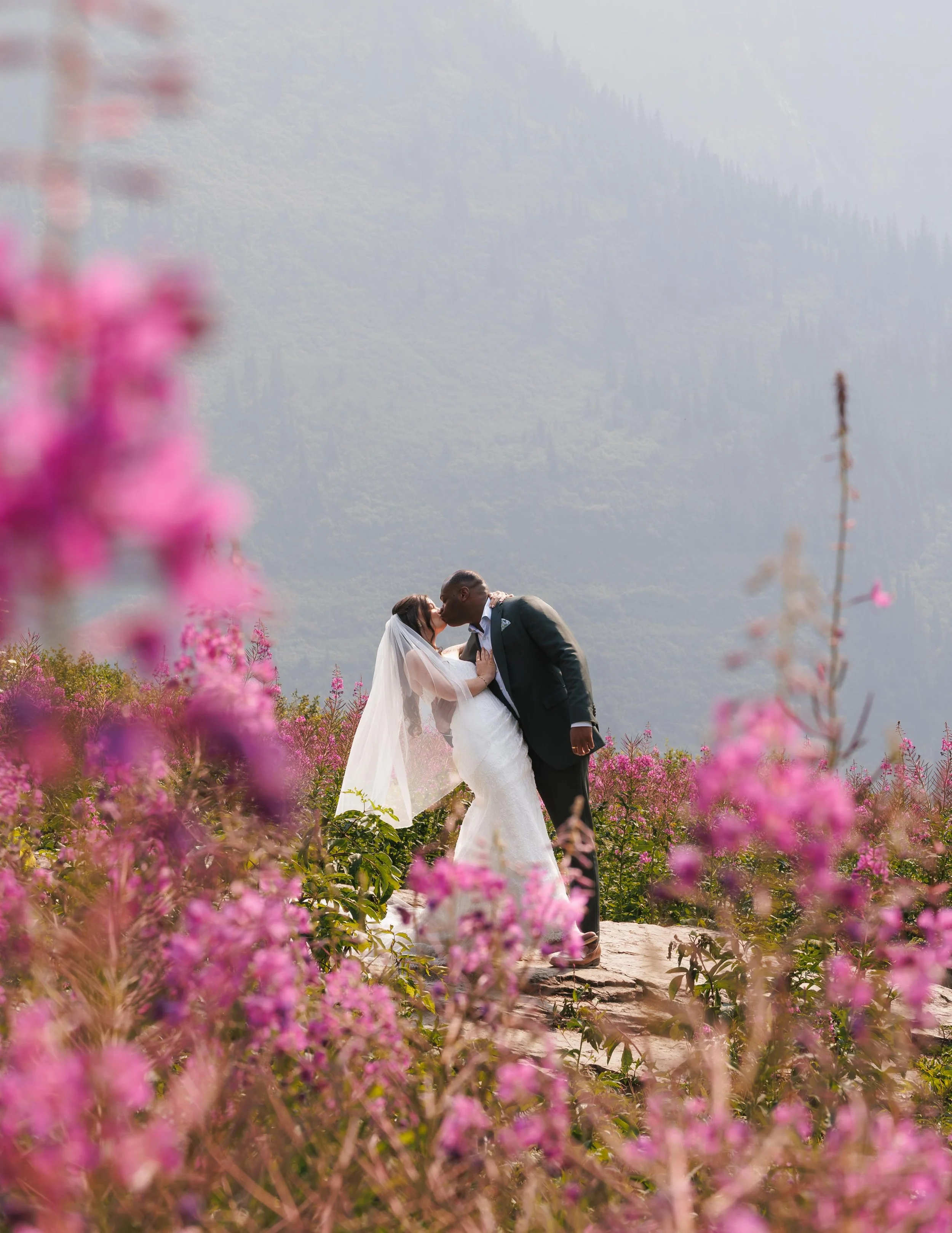
This is one of the most important decisions you'll make when planning your elopement.
Your photographer and videographer aren't just there to document what happens. They're often the people helping you navigate the day, find locations, build a timeline, and make decisions along the way.
You'll likely spend a significant portion of your wedding day together, sometimes hiking, traveling between locations, or simply enjoying the scenery.
That's why finding someone whose personality and approach you connect with matters just as much as liking their work.
Look for someone whose photography or films resonate with you, but also pay attention to how they communicate, how they approach a wedding day, and whether their style aligns with the experience you want.
A good photographer or videographer should be able to help you with more than just showing up and taking pictures.
We can help with things like:
Finding locations that fit your vision.
Building a realistic timeline around travel, lighting, and activities.
Navigating logistics and location-specific requirements.
Planning around weather and changing conditions.
Helping you feel comfortable in front of the camera.
You don't need to have everything figured out before reaching out. In fact, that's part of what we're here for.
4. Don't Feel Like You Have to Follow Traditions
One of the things I love most about elopements is the freedom to make the day your own.
There's no single way to get married, and there certainly isn't a rulebook you have to follow.
Maybe you want to exchange private vows somewhere overlooking the mountains before meeting your family for a small ceremony. Maybe you want to spend the afternoon hiking, explore a new location, or finish the evening around a campfire.
You can include traditions that mean something to you and leave behind the ones that don't.
Some couples want a quiet experience with just the two of them. Others want to bring their closest family and friends along. Some want a little bit of both.
None of those approaches is more or less of a wedding.
The important thing is that when you look back on the day, it feels like an honest reflection of your relationship and the things that matter to you.
5. Give Yourself Room for the Unexpected
If there's one thing you should know about getting married outdoors in Montana, it's that the weather doesn't always cooperate with the forecast.
You might have sunshine one minute, rain the next, and completely different conditions once you reach a higher elevation.
That's part of the experience.
When planning an outdoor elopement, I always recommend leaving some flexibility in your schedule. Build in enough time to travel between locations, enjoy the surroundings, and adjust if conditions change.
It's also worth having a backup plan for your ceremony location, particularly if you're getting married somewhere with unpredictable weather or seasonal access.
And remember, not every moment needs to go according to plan.
Some of the most meaningful experiences happen when you slow down, embrace what's happening around you, and stop worrying about making everything perfect.
Your Montana Elopement Doesn't Have to Look Like Anyone Else's
At the end of the day, eloping is about creating an experience that feels true to who you are.
It might be an intimate ceremony beside an alpine lake, a full day exploring the mountains, or a quiet exchange of vows somewhere meaningful to the two of you.
There's no right or wrong way to do it.
If you're just starting to plan your Montana elopement, my biggest advice is to start with the location, find people you trust to help you along the way, and give yourselves permission to do things differently.
You don't need to have every detail figured out right now. That's what the planning process is for.
Planning a Montana Elopement?
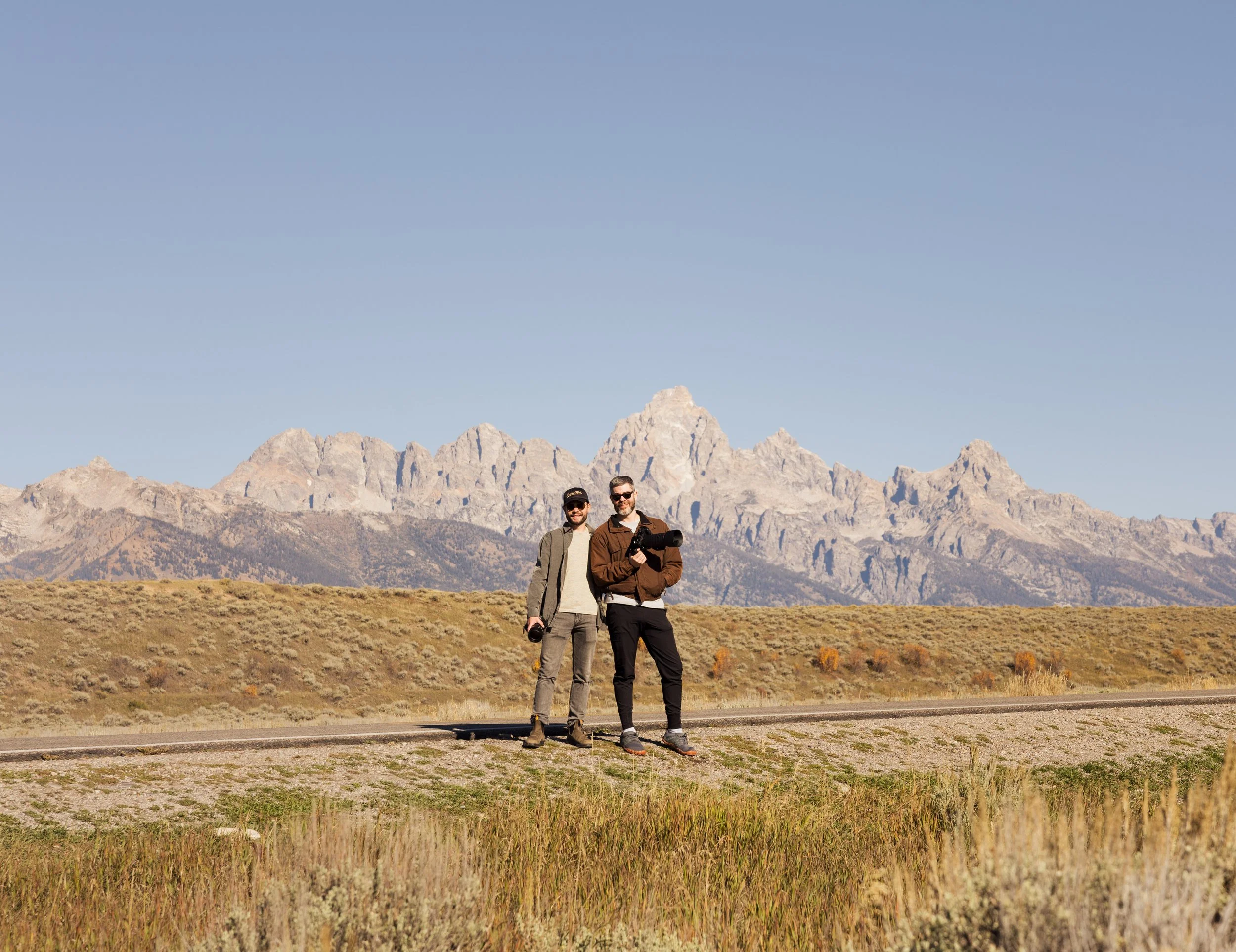
I'm Ryan, the photographer and videographer behind Prisma West. Based in Montana, I work with couples throughout Glacier National Park, Whitefish, Missoula, Bozeman, the Greater Yellowstone region, and beyond.
My approach is centered around documenting the experience as it unfolds, creating photographs and films that feel natural, cinematic, and true to the people in front of my camera.
If you're dreaming up a Montana elopement and aren't quite sure where to start, I'd love to hear what you're envisioning.
Get in touch with Prisma West and let's start planning something meaningful.